UNITEA: One Cup, Many Paths
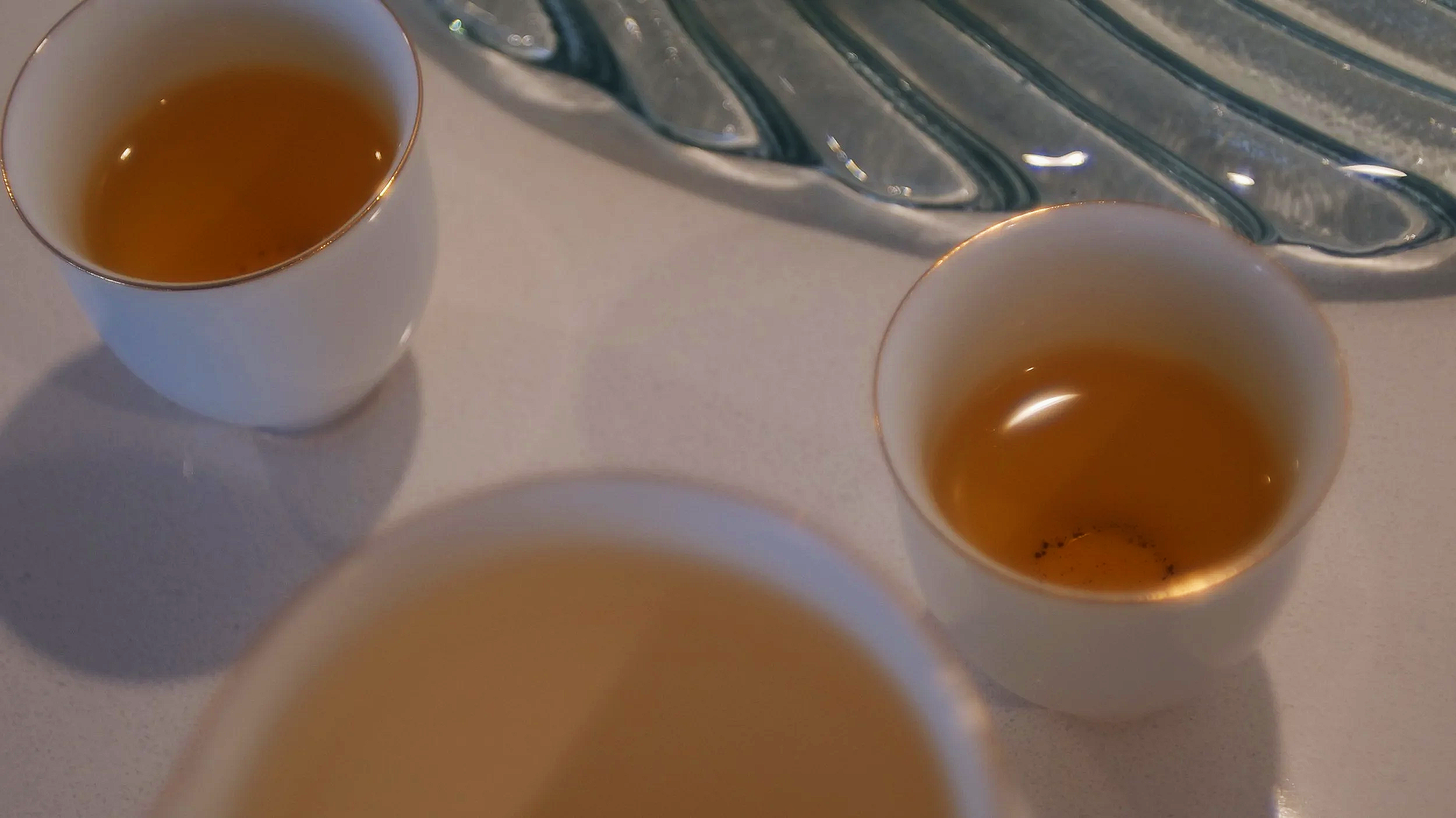
“In a world fragmented within and without, we are called to UNITEA - one cup, one moment of shared love at a time.”
We live in a world of fragments. There is division within us: the mind at war with the heart, the past arguing with the future, the self we are and the self we wish to be. There is also division among us: voices talking past one another, walls built of belief and bias, hearts guarded behind screens and stances. Around us, the world amplifies division: algorithms feed us our own echoes, ideologies build walls, and the pace of life leaves little room for the simple, sacred act of facing one another in quiet recognition.
In the echo of all this noise, we have forgotten a simple truth: We were never meant to live in pieces. It’s time to remember. It’s time to begin the gentle, daily practice of putting ourselves, and each other, back together. It’s time to call for UNITEA (unity). Not with grand gestures, but with small ones. Not with declarations, but with warmth.
One cup. One pour. One shared quiet moment at a time.
This is not about tea alone. It is about presence. It is about choosing, again and again, to steep in kindness, to pour out attention, to sip slowly from the cup of what connects us. Let us reunite the scattered pieces of our own souls. Let us meet one another not as arguments, but as human beings, holding something warm between our hands.
One cup of love. One moment of grace. One steep at a time.
Part I: The Inner Cup - Uniting the Fragmented Self
Before we can meet another, we must gather ourselves. Our minds are often not a still pool, but a crowded crossroads. The practice of UNITEA begins here, in the quiet ceremony of preparing a single cup for yourself.
1. The Gathering.
Choose a leaf. Heat the water. Set the vessel. In these simple acts, you call your attention back from its scattered wanderings. You are gathering your fragments to the present moment. This is not multitasking. This is single-tasking with soul. As you wait for the water to reach its singing peak, you allow your breath to find its own rhythm. You are not your to-do list. You are not yesterday's regret or tomorrow's anxiety. In this pause, you are simply the one who is about to receive a cup of tea.
2. The Steeping.
Pour the water and witness the transformation. The tight, hard leaves soften. They unfurl, releasing their colour, their story, their essence into the surrounding warmth. Watch them as a metaphor for your own inner world. Those clenched thoughts, those guarded emotions…what if you offered them the warm, accepting space of your own awareness, without force? The leaf does not rip itself open. It simply yields to the process. In the same way, UNITEA invites you to allow all parts of yourself - the bold and the timid, the bitter and the sweet - to simply be present in the warm water of your consciousness. You are not fixing. You are integrating.
3. The Sipping.
The first taste is not of tea alone, but of your own collected presence. The warmth travels through you, a tangible reminder that you inhabit a body, a moment, a life. The complex flavour, whether it’s earthy, floral, sharp, smooth, is a mirror. You contain multitudes. And in this act of nourishing yourself with mindful warmth, you perform a gentle reconciliation. You become both the server and the served, learning to care for the whole of who you are.
Part II: The Shared Pot - Uniting Across Paths
Once we have sipped from the cup of inner unity, we have more to offer. The second part of UNITEA extends the circle. A teapot is not a monologue; it is a vessel designed for sharing.
1. The Common Ground.
The tea ceremony, in cultures across the world, is a great equalizer. It requires no shared language, only a shared willingness to sit and be present. When we place a pot between us and another, whether a lifelong friend or a newfound stranger, we create an immediate, humble common ground. The cup in their hands is the same as the cup in ours. The steam rising between us is the same. For these few minutes, titles, status, and differing viewpoints are softened. We are, quite simply, two humans sharing warmth.
2. The Pouring, The Receiving.
This is a dance of grace. To pour for another is an act of generosity, of seeing and serving. To receive a poured cup is an act of trust, of openness. It is a micro-ritual of reciprocity that bypasses debate. In that silent exchange, something unspoken is communicated: I see you. I offer you sustenance. I welcome your presence. It is a bridge built not of words, but of attention and care.
3. The Space Between Words.
Conversation may flow, or silence may settle. Both are perfect. The tea is not a distraction from the interaction; it is the center of it. It gives the hands something to hold, the eyes a gentle place to rest, the conversation a natural rhythm of pause and continuation. In the space between sips, understanding has room to steep. We often listen to reply. UNITEA creates the conditions where we can listen to understand, our defenses softened by the shared, sensory experience.
This is not about drinking a beverage. It is about presence. It is about choosing to be whole within yourself, and then offering that wholeness as a space where true meeting can occur.
So we invite you to this practice:
UNITEA with yourself. Once a day, brew a cup with the sole intention of coming home to yourself. Let it be a ritual of inner reconciliation.
UNITEA with another. This week, invite someone to sit with you. Not to network, not to debate, but simply to share a pot. Let the tea do its quiet work of weaving connection.
In a world that fragments, we can choose to integrate. In a world that shouts, we can choose the quiet power of presence. It starts with a cup. It starts with a pour. It starts when we remember that before we are any label, we are beings who can share warmth.
We are steeped in the same humanity. Let us share the cup.
Breathe. Steep. Pour. Unite. We brew UNITEA.
If sharing tea is one path to inner and outer harmony, what other daily practices might gently guide us toward the same peace, both within and without?